A Slice-by-Slice Guide to Cheese Pizza in Boulder, Colorado

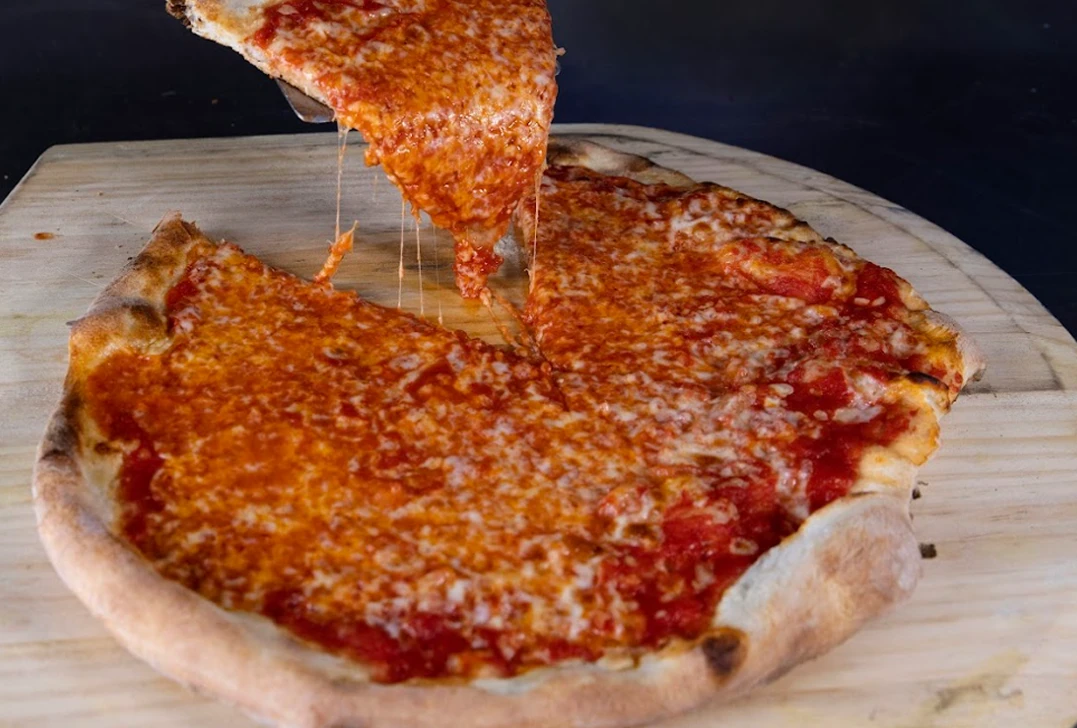
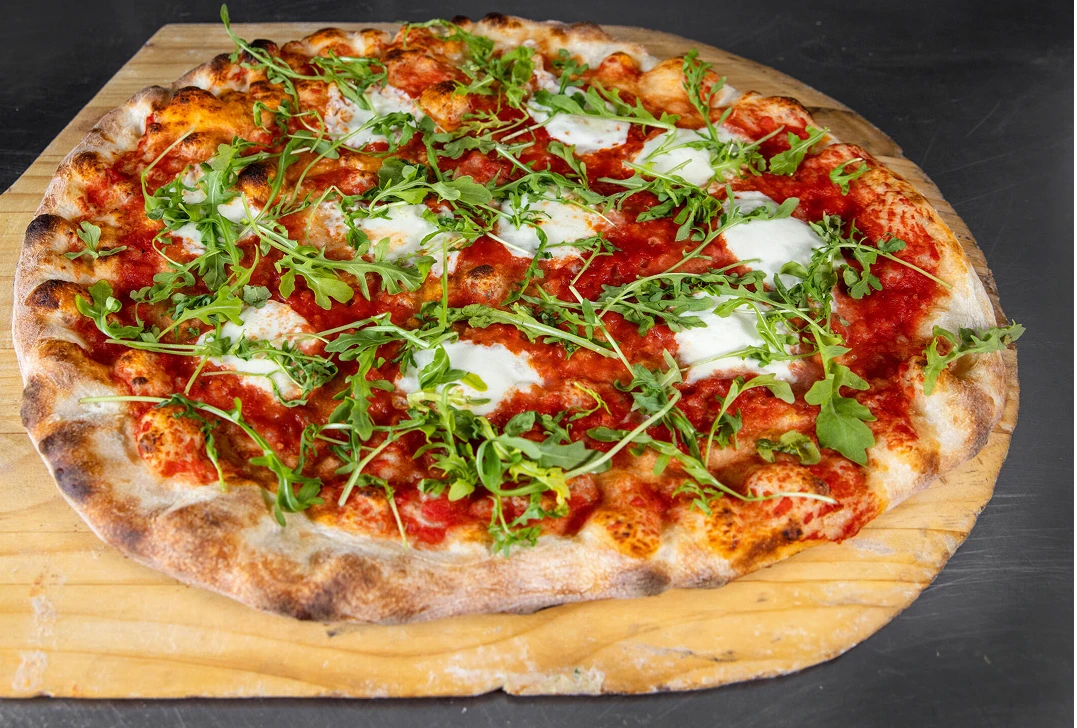
Cheese pizza sounds simple until you try to find a great one in Boulder. Then the details start to matter. The crust has to stand on its own because there are no toppings to hide weak dough. The sauce has nowhere to hide either. If it is too sweet, too acidic, or spread too heavily, every bite announces it. The cheese has to melt evenly, brown in the right places, and hold together when you lift a slice. On a plain pie, every mistake is visible.
That is what makes Cheese Pizza Boulder, Colorado a more interesting subject than it first appears. Boulder has a strong food culture, plenty of students, plenty of athletes, plenty of families, and a dining scene that often leans fresh, local, and health-conscious. Pizza has to satisfy all of them. Some people want a foldable, quick lunch after a walk on Pearl Street. Some want a crisp, well-fermented crust and a restrained hand with the mozzarella. Some want a big, familiar pie for a group after a day in the Flatirons. In a town like Boulder, one style does not win by default.
A good cheese slice also tells you more about a pizzeria than a specialty pie ever could. If the plain slice is balanced, the kitchen usually knows what it is doing. If the cheese slides off in one molten sheet or the crust turns gummy after five minutes, no amount of arugula, sausage, or hot honey will fix the fundamentals.
Why plain pizza is the toughest test
People order cheese pizza for all kinds of reasons. Kids love it. Purists prefer it. Groups rely on it because it keeps the peace. But from the cook’s side of the counter, cheese is the hard mode version of pizza. The dough has to ferment properly and bake evenly. The sauce needs enough body to support the cheese without soaking into the crust. The cheese blend has to melt smoothly and still carry flavor after a few minutes in the box.
I have eaten enough slices in mountain towns and college towns to know that climate and pace both matter. High altitude changes baking behavior. Even if a pizzeria has dialed in its oven, dough can behave differently day to day, especially in a dry climate like Boulder’s. Moisture leaves the dough faster. A kitchen that rushes its proofing or skimps on hydration can end up with crust that looks blistered and attractive, but eats dry. On the other hand, a place that compensates too heavily can produce a soft center that wilts under the cheese. Good shops learn that balance through repetition.
Boulder’s customer base adds another wrinkle. A lot of diners here care about ingredient quality and digestibility. That leads some kitchens toward longer-fermented dough, lighter mozzarella application, and brighter sauces. Those choices can be excellent, but they have trade-offs. A lighter cheese layer can let the crust shine, but it also means the pie must be baked with discipline. Too little color and the pizza tastes unfinished. Too much color and the dairy turns greasy and sharp.
The Boulder slice, shaped by place
Boulder is not New York, New Haven, or Chicago, and that is not a flaw. It means you should arrive without forcing someone else’s standards onto every pie. Cheese Pizza Boulder, Colorado often reflects the city’s habits. Lunch business matters. Takeout matters. Casual dinners matter. So does grabbing a couple of slices before a concert, after class, or on the way home from an afternoon outside.
That local rhythm shapes the pizza. Shops serving students and downtown foot traffic usually need slices that reheat well and can be eaten one-handed. Family-oriented neighborhoods often favor pies with broader appeal, softer crust edges, and a cheese level that pleases both adults and children. Places with a more craft-focused approach may produce a leaner pie, smaller in diameter, with a more deliberate bake and a stronger crust flavor.
None of these are inherently better. What matters is whether the style fits the moment. A crisp, charred, beautifully blistered cheese pizza can be perfect for a sit-down meal and slightly disappointing fifteen minutes later in a cardboard box. A more forgiving, sturdier pie may be less dramatic in the restaurant and better on your kitchen counter at 9 p.m. After the rest of the day got away from you. Boulder supports both types.
What to look for in a great cheese slice
When I judge a cheese pizza, I start before I taste it. The visual tells are reliable. Does the tip droop immediately when you lift it, or does it hold with a slight bend? Has the cheese melted into a unified layer, or does it look patchy and overworked? Are there a few browned spots that suggest proper heat, or is the top pale and steamed? The crust edge should look lively, not dense. Even a thinner pie should have some internal structure in the rim.
Then comes the bite. The first thing I want is balance. The sauce should register clearly, but not flood the palate. The cheese should taste like dairy, not just salt and oil. The crust should offer both crackle and chew, depending on style. If the pie is foldable, the fold should help concentrate the flavors rather than squeeze sauce out the sides.
The aftertaste matters too. Great cheese pizza leaves behind toasted flour, tomato, and milk fat in proportion. Weak cheese pizza leaves only salt and grease. You know the difference immediately, even if you cannot name it on the spot.
A useful way to evaluate a slice is to pay attention to the first hot bite and the fifth cooler bite. Plenty of pizzas impress when they are fresh from the oven. Fewer stay balanced once they cool slightly. In Boulder, where people often carry pizza to a nearby bench, park, or home, that staying power counts.
Crust in a high, dry climate
Boulder’s elevation and dryness do not automatically doom pizza, but they absolutely influence the outcome. Dough loses moisture differently here than it does closer to sea level. Bakers have to manage fermentation, hydration, and bake time with care. If they miss, the crust shows it first.
A well-made Boulder crust usually lands in one of two successful camps. The first is the crisp-bottomed, medium-thin style that focuses on clean structure and an easy bite. This works especially well for slice service because it reheats predictably. The second is a slightly more artisanal crust with a pronounced rim, more open crumb, and deeper fermentation flavor. That style can be terrific with cheese only, as long as the center remains set and the rim is not all air and no substance.
The common failure points are easy to spot. One is excessive dryness. The pie looks appealing, but the chew turns papery by the second slice. Another is underbaking the center to protect the crust edge, which leads to that damp layer between sauce and dough that makes a slice feel heavier than it should. A third is trying to compensate for dryness with too much cheese. That works for about three minutes, then the slice becomes oily and slack.
The best places adapt quietly. They may tweak hydration with the season. They may alter fermentation times based on temperature swings. They may bake a little harder on wetter days and a little gentler when dough is already drying out fast. Most customers never see those adjustments, but they taste them.
Sauce and cheese, where simple turns technical
Because this is cheese pizza, the tomato matters. So does restraint. A lot of otherwise decent pies go wrong by over-saucing. In a town where some diners expect fresh, bright flavors, it can be tempting to push the tomato forward. But cheese pizza needs harmony, not dominance. A good sauce should bring sweetness, acidity, and herb character if used, without drowning the dough.
The cheese blend deserves equal scrutiny. Low-moisture mozzarella is still the workhorse for a reason. It melts consistently and browns well. Some shops blend in provolone for depth, or a little fresh mozzarella for softness. That can be excellent, but blends come with risks. Too much fresh cheese and you get puddling. Too much aged cheese and the pie turns salty. The sweet spot is a layer that fuses into the sauce, anchors to the crust, and gives a slight pull without forming a blanket that slides off whole.
If you want to assess a pizzeria quickly, order a cheese slice and watch Cheese Pizza Boulder, Colorado what happens as it cools. Cheese Pizza Boulder, Colorado If the oil separates aggressively and pools on top, the ratio is off or the bake pushed too far. If the cheese stiffens into a rubbery cap, the dairy quality or timing is suspect. The best slices stay supple for longer than you expect.
Where and when Boulder pizza shines
Cheese pizza in Boulder is tied to occasion more than many people realize. The same pie can feel average at 2 p.m. And perfect at 9 p.m. The city has enough variation in mood and neighborhood that timing becomes part of the experience.
Downtown, especially around busy pedestrian areas, slices tend to matter most. People want speed, portability, and a pie that can survive a short walk. Near campus, value and consistency usually rise in importance. A great student slice is not necessarily the most nuanced, but it should be hot, satisfying, and dependable. In more residential parts of town, whole pies often show better than individual slices because the kitchen can bake to order instead of reheating.
Weather changes things too. On a cold evening, a slightly thicker, cheesier pie can feel exactly right. After a warm day outdoors, a lighter cheese pizza with a brighter sauce and a crisper crust can be the better call. Boulder diners often move between those moods quickly, which is one reason the city supports multiple interpretations of the classic plain pie.
How to order intelligently
There is no need to overcomplicate pizza, but a few choices make a real difference. If you care about quality, ask whether the slice was baked fresh or reheated. A good reheated slice can be excellent, but not every shop handles reheating well. If you are ordering a whole pie, ask what size fits your group rather than assuming the largest is best. Very large pies can lose some structural integrity, especially with cheese only.
The other important choice is dine-in versus takeout. Some cheese pizzas are built for immediacy. The bottom crust is at its peak in the first five minutes, and the cheese texture is best before steam accumulates in the box. Others travel better because the crust is sturdier and the cheese application is more moderate.
Here are a few practical ways to improve the odds of a good order:
- If possible, eat the first slice on site, especially if crisp crust matters to you.
- For takeout, crack the box slightly once you get home so steam can escape.
- Ask for a pie to be baked a touch longer if you prefer a firmer bottom, but only with places that already bake evenly.
- Order plain first at a new spot, then decide on toppings next time.
- Reheat leftovers in a skillet or oven, not the microwave, if you want the crust back.
Those small decisions matter more with cheese pizza than with heavily topped pies. Simplicity rewards attention.
The range of styles you may encounter
One reason Cheese Pizza Boulder, Colorado can surprise visitors is that the city does not lock itself into a single pizza identity. You may find a classic American neighborhood pie, a foldable East Coast-inspired slice, or a more artisan, fermentation-driven pizza depending on where you go and what kind of business the shop is built around.
That variety is useful once you understand it. If you are feeding children after a long day, the ultra-charred, minimalist pie may not be the smartest move. If you are trying to judge a place’s craftsmanship, the broad, heavily cheesed party pie tells you less than a focused, balanced cheese pizza made to order. Context matters.
A few broad style differences help set expectations:
| style tendency | what it usually delivers | trade-off to watch | | --- | --- | --- | | large foldable slice | speed, familiarity, easy lunch | can soften quickly in the box | | medium thin whole pie | balanced crust-to-cheese ratio | less dramatic if you want excess cheese | | artisan blistered crust | strong dough flavor, good chew | best eaten immediately | | thicker neighborhood pie | filling, family-friendly, reheats well | can feel heavy if over-sauced |
That table is only a guide. The actual kitchen execution matters more than style labels ever will.
Price, value, and what you are really paying for
Boulder is not the cheapest place to eat, and pizza is not immune to that. Rent, labor, ingredient sourcing, and demand all show up on the menu. A cheese slice that costs more than expected may still be a fair deal if the dough is fermented properly, the cheese is high quality, and the bake is consistent. On the other hand, price alone does not guarantee excellence. I have had expensive plain pies that tasted timid and cheap slices that understood the assignment perfectly.
The value question is really about fit. If you want a quick weekday meal, a solid slice that hits the essentials can be a great buy. If you are making a night of it, a carefully built whole cheese pizza with a better crust and more deliberate ingredient choices may justify the extra cost. Boulder has enough discerning diners that many shops try to split the difference, offering convenience without giving up quality. Some succeed better than others.
One thing I encourage people to notice is whether a pizzeria respects the cheese pie as a real menu item or treats it as a baseline afterthought. You can usually tell from the result. Places that care about their plain pizza tend to portion it carefully, bake it with confidence, and serve it without apology. Places that do not care often bury the pie under default cheese and generic sauce, then rely on toppings to create excitement elsewhere.
The family factor and the solo diner factor
Cheese pizza survives because it works for opposite kinds of eaters. Families order it because everyone at the table can agree. Solo diners order it because it is the purest test and often the quickest path to a reliable meal. Boulder supports both audiences, and that affects what “good” means.
For families, the ideal cheese pizza often has predictability built in. Not blandness, predictability. The crust should be approachable, the sauce not too aggressive, the cheese generous enough to satisfy kids without becoming greasy. A pie like that may not be the one pizza obsessives write poems about, but it earns repeat business for a reason.
For solo diners, especially those grabbing a slice between errands or after a hike, texture and portability move to the front. You want a slice that can be eaten neatly enough, remains hot long enough, and feels complete without requiring ranch, chili flakes, or garlic powder to wake it up. A truly good cheese slice is self-sufficient.
Leftovers, which matter more than people admit
A city with busy schedules, outdoor plans, and plenty of takeout relies on leftovers. Cheese pizza should reheat well. In fact, some pies are almost better the next day because the flavors settle and the crust crisps back up beautifully in a skillet or hot oven.
The pies that hold up best usually have disciplined sauce use and a crust with enough internal strength to recover after refrigeration. Heavy cheese can congeal and separate on reheating. Excess sauce can turn the center pasty. A balanced pie often has the longest life.
If you find a place whose cheese pizza tastes good hot, tastes good warm, and still tastes good after reheating, you have found a serious contender. That kind of consistency is not an accident.
What makes Boulder worth exploring for plain pizza
There are bigger pizza cities, more famous pizza cities, and more tradition-bound pizza cities. Boulder still earns attention because its cheese pizza scene reflects the city itself. It is practical without being dull. Health-aware without needing to be joyless. Diverse in style without losing sight of basics. You can get a quick slice that does the job, and you can also find pies where somebody has clearly obsessed over the dough.
The plain cheese pizza is the best way into that landscape because it strips away distractions. It asks the kitchen to show its hand. In Boulder, that hand may lean classic, modern, student-friendly, family-friendly, or fermentation-forward. What matters is whether the pie arrives with balance, proper bake, and enough confidence to stand there bare.
If you are exploring Cheese Pizza Boulder, Colorado for the first time, trust your senses more than hype. Look at the underside of the slice. Notice how the cheese sits. Pay attention to whether the crust still tastes alive after the first blast of heat fades. The best pizza reveals itself quickly, and a great cheese slice does not need much explanation. It just needs another bite.
Brooklyn Pizza
Address: 1647 Arapahoe Ave, Boulder, CO 80302
Phone number: +17203282324
FAQ About Cheese Pizza Boulder, Colorado
What is usually on a cheese pizza?
A standard cheese pizza consists of a yeast dough crust, a seasoned tomato-based sauce, and melted mozzarella cheese.
What is a cheese pizza called?
A basic cheese pizza is simply called a cheese pizza, a plain pizza, or a plain pie.
What is the best recipe for cheese pizza?
The best cheese pizza recipe uses high-heat baking, a simple raw tomato sauce, and a mix of low-moisture and fresh mozzarella cheese on a homemade yeast dough.