Cheese Pizza Boulder, Colorado: A Slice of the City’s Food Culture
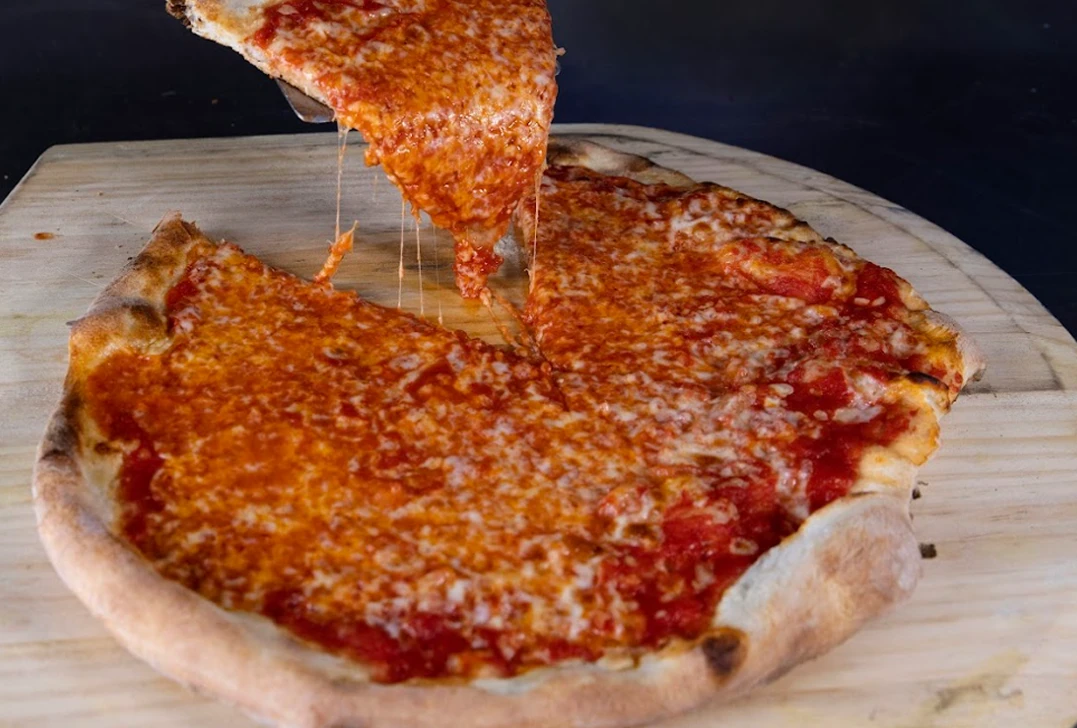
Cheese pizza rarely gets top billing. It does not arrive with a list of toppings long enough to justify a premium price, and it does not photograph with the swagger of hot honey, soppressata, or blistered shishitos. Yet in Boulder, Colorado, a plain cheese pie often tells you more about a pizzeria than anything else on the menu. It exposes the dough, the sauce, the quality of the mozzarella, the judgment at the oven, and the confidence of Cheese Pizza Boulder, Colorado the people running the place. If a shop cannot make a memorable cheese pizza, the rest is usually decoration.
That makes cheese pizza one of the clearest windows into Boulder’s food culture. This is a city that tends to care about ingredients without wanting food to feel fussy. People here will argue about flour fermentation and still want dinner to be easy after a hike. They will pay attention to local produce, but they also expect a slice to satisfy after a brewery stop, a late class, or a youth soccer game. Boulder can be health-conscious, performance-minded, and deeply casual all at once. Cheese pizza fits right into that tension. It is simple, but simplicity leaves nowhere to hide.
Why cheese pizza matters more in Boulder than people expect
Boulder’s dining reputation often leans toward seasonal cooking, natural foods, craft beverages, and the polished side of mountain-town-adjacent eating. Pizza can look secondary in that landscape, almost too ordinary to deserve much thought. Spend enough time here, though, and you realize pizza functions as a common language across the city. Students want it. Families rely on it. Office teams order it. Cyclists inhale it. Visitors who spent the day in the foothills end up around it.
Cheese pizza sits at the center of that habit because it crosses every subgroup. A four-year-old accepts it. A chef respects it. A budget-minded customer can usually afford it. Someone with strong opinions about char, crumb, or dairy quality can use it as a test. Someone with no culinary agenda simply knows whether the slice in front of them tastes flat or alive.
In Boulder, that basic pie also reflects a local preference for food that feels clean without feeling austere. The best versions do not drown the crust in low-quality oil or pile on rubbery cheese. They aim for balance. You taste the grain in the dough, the brightness in the tomato, the milk in the mozzarella, and a restrained hand with salt. That style suits Boulder. It reads as thoughtful rather than excessive.
A city that judges food by ingredients and by feel
Boulder has long favored ingredients with a story behind them. Even outside higher-end restaurants, you see the influence of regional sourcing, organic produce, and careful pantry choices. In pizza, that instinct changes the result. A cheese pizza built with well-fermented dough and a good whole-milk mozzarella does not need much else. If the tomato sauce tastes vivid, not sugary, and the crust has both structure and tenderness, people notice.
What is distinct in Boulder is that diners often care about how food makes them feel afterward, not just in the moment. That does not mean they only want “light” pizza. It means they appreciate pizza that feels crafted rather than heavy-handed. A cheese pizza can still be rich, but there is often an expectation of digestibility. Long-fermented dough, moderate cheese coverage, and a crust that has proper air and blistering instead of dense chew all play into that.
This is one reason the conversation around Cheese Pizza Boulder, Colorado tends to be more nuanced than outsiders assume. You are not just talking about melted cheese on bread. You are talking about whether a pie matches the rhythms of a city that eats with one foot in pleasure and the other in performance.
The altitude changes the pie, even when people do not mention it
Anyone who has baked seriously along the Front Range knows altitude leaves fingerprints on dough. Boulder sits high enough that water behavior, fermentation timing, and oven performance all matter. Pizza makers adapt, sometimes in obvious ways, sometimes through habits they have refined over years. Hydration, proof time, sugar levels, and bake strategy all need attention. A dough formula that behaves beautifully at sea level can turn unruly or dry here.
That matters for cheese pizza because every flaw becomes visible. If the dough overproofs, the pie can collapse in the middle under the cheese. If the crust dries out too much in the oven, the outer rim turns brittle instead of crisp-tender. If the sauce is too wet, the center can go slack. If the mozzarella releases excess moisture, the whole pie loses its balance.
Experienced pizza makers in Boulder compensate through touch as much as math. They learn when dough needs a shorter room-temperature finish, when to stretch a little thicker in the center, when to cut back on sauce, and when to shift the bake to drive off moisture without scorching the top. Customers may never hear that explained, but they taste the results. A great local cheese pie often reflects a quiet mastery of altitude more than any flashy topping combination ever could.
Boulder’s neighborhoods shape how pizza is made and eaten
Pizza in Boulder is not one single scene. The city has enough variation in pace and audience that the role of a pizzeria can change from one pocket to another. Near the university, speed matters. Students want value, flexibility, and a slice that still tastes good when eaten fast between obligations. Closer to residential areas, families may prioritize consistency, online ordering that works, and pies broad enough in appeal to please both adults and children. Around more walkable commercial districts, pizza becomes part of a social loop that might include beer, errands, and a casual dinner without reservations.
That variety influences the style of cheese pizza people encounter. A quick-service slice shop may aim for immediate gratification, foldable, hot, and just greasy enough to scratch the itch. A neighborhood pizzeria may focus on even browning, a mellow tomato profile, and the kind of pie that survives the ride home. A more craft-oriented place may chase nuanced fermentation, leopard spotting, and high-heat character, producing a smaller pie that rewards eating on site.
None of those approaches is inherently better. Boulder supports all three because the city’s food culture is broad enough to include practicality and obsession side by side. What matters is whether the pie understands its own purpose. A cheese slice designed for late-night foot traffic should not be judged by the standards of a slow dinner pie eaten minutes after it leaves a wood or gas deck. Likewise, a higher-end pie should offer more than a fashionable crust if it is going to justify the price. The city’s best pizzerias understand their lane.
What makes a memorable cheese pizza here
People often describe pizza in vague terms, good crust, nice sauce, quality cheese, but cheese pizza rewards more precise language. In Boulder, the standout pies usually get several technical decisions right at once.
The crust should have contrast. You want a crisp underside or edge structure, but not a dry shell. Inside, there should be enough tenderness that the chew feels pleasant rather than punishing. Good dough carries flavor even before toppings enter the picture. It may offer a faint tang from fermentation, a wheaty sweetness, or the toasted bitterness of char in small doses.
The sauce matters just as much. On a cheese pizza, sauce should not vanish beneath dairy, nor should it dominate with sharp acidity. The strongest versions in Boulder often keep the seasoning restrained. You taste tomato first, then salt, then supporting notes like oregano or garlic if they appear at all. Sugar-forward sauce tends to feel especially clumsy on a cheese pie because there is nothing to distract from it.
The cheese itself is where many average pies fall apart. Some shops use too much, creating a heavy blanket that slides, sweats, and dulls the whole pie. Others use too little or choose a cheese that bakes pale and tastes generic. A balanced cheese pizza needs enough coverage for richness and pull, but enough exposed sauce and crust for definition. Whole-milk mozzarella often gives the most satisfying result, though blends can work when the baker knows exactly why each cheese is present.
Then there is the bake. This is where character lives. A little spotting on the cheese, a browned edge where sauce meets crust, an underside with real structure, these details separate a pizza made by habit from one made with care. Boulder diners, whether they articulate it or not, respond to those cues.
The local ingredient mindset shows up in subtle ways
Boulder’s broader food culture encourages ingredient scrutiny, but on pizza that influence is usually less theatrical than in farm-to-table dining rooms. Cheese pizza is not the place for menu paragraphs about terroir. Instead, you see the effect in small decisions. Flour choice. Mozzarella quality. Tomato selection. Olive oil that tastes fresh rather than stale. Basil used with restraint, or omitted entirely if it throws off the balance.
Seasonality can shape even a plain pie in indirect ways. During warmer months, when produce all over the region is stronger and kitchens are already handling brighter ingredients, sauce and garnish choices can shift slightly in tone. In colder months, richer dairy and deeper bakes often feel more fitting. A pizzeria tuned into its environment may make tiny adjustments customers barely notice consciously but appreciate in the aggregate.
That is part of what makes Cheese Pizza Boulder, Colorado an interesting subject rather than a simple search phrase. The city’s ingredient culture does not always announce itself. Often it appears as restraint, cleaner flavor, and a refusal to treat a basic pie as disposable food.
The student factor keeps pizza honest
Any city with a major university develops a practical standard for pizza. Students are unforgiving in a useful way. They care about cost, portion, speed, and whether food actually satisfies hunger. They can also become unexpectedly loyal to a place that gets the basics right. In Boulder, that pressure prevents pizza culture from drifting too far into preciousness.
A cheese pizza that works for students tends to have real staying power because it proves the pizzeria understands value. That does not always mean cheap. It means proportionate. If a pie costs more, it should taste like more, whether through dough quality, cheese, or consistency. Students may not use the vocabulary of fermentation curves, but they know when a crust tastes stale, when the cheese congeals badly, or when a slice somehow feels expensive and unsatisfying at once.
Their presence also keeps slice culture alive. Full pies matter, especially for families and groups, but the ability to buy a single slice remains important in a college-influenced city. It gives people a low-commitment way to judge a shop, and cheese pizza is often the fairest test. One slice can tell you nearly everything.
Beer, mountains, and the appetite for simplicity
Boulder’s relationship with pizza is inseparable from its outdoor life and its craft beverage culture. After a long ride, a trail day, or even a brisk walk around town in shoulder season, many people want food that delivers immediate comfort without requiring ceremony. Cheese pizza does exactly that. It is satisfying enough to feel earned, familiar enough to feel easy, and adaptable enough to pair with beer, soda, sparkling water, or nothing at all.
The city’s brewery culture strengthens that connection. Pizza works because it handles a range of beer styles well, from crisp lagers to hop-forward pale ales. Cheese pizza, in particular, plays nicely with carbonation and bitterness. The dairy softens hops, the crust supports malt, and the acidity in the sauce refreshes the palate. It is a pairing people often choose without overthinking, which is usually a sign that it belongs.
There is also something emotionally right about eating uncomplicated food in a place known for ambitious lifestyles. Boulder residents often stack a lot into a day. Work, school, training, commuting between weather shifts, family obligations, all of it adds up. Cheese pizza succeeds here partly because it lowers the mental load. Nobody needs a briefing before ordering it. When done well, it can feel like the most sensible luxury in town.
How locals tend to judge a slice without saying so
Most regular pizza eaters in Boulder have a quiet checklist, even if they never spell it out. They notice the fold of the slice, whether the tip droops too hard, whether the crust edge tastes like flour or toast, whether the cheese has flavor beyond salt, whether the pie cools Cheese Pizza Boulder, Colorado gracefully or dies after five minutes.
The strongest shops pass those tests almost casually. They make pizza that still tastes like itself if you get distracted halfway through the meal. That matters more than many operators realize. Plenty of cheese pizzas are exciting in the first bite and flat in the third slice. Boulder customers, especially repeat customers, reward places that build consistency into the pie.
A reliable local test often comes down to leftovers. If a cheese slice tastes decent cold from the box, or revives well in a skillet or hot oven, that is usually a sign the structure was sound from the start. Weak dough and poor cheese reveal themselves brutally the next day.
Choosing where to order depends on what kind of night you want
The “best” cheese pizza in Boulder often depends less on universal ranking and more on context. A great dine-in pie is not always the best delivery pie. A slice shop you love at 10 p.m. May not be where you send visiting relatives for a relaxed dinner. Matching the pizzeria to the moment matters.
Here are a few practical cues that help:
- If you want crisp texture, eat on site whenever possible. Steam in the box changes a pie fast.
- If you are feeding a group with mixed tastes, judge the place by its plain cheese pie first, not by the specialty menu.
- If you are ordering for later, ask yourself whether you like reheated pizza. Some styles survive far better than others.
- If value matters most, compare size and satisfaction, not just sticker price.
- If you care about ingredient nuance, order the simplest pie on the menu before anything else.
That is not a rigid rulebook, just the kind of judgment frequent pizza eaters develop. Boulder rewards that approach because the city offers enough variation for context to matter.
The family dinner pie and the craft pie are not enemies
One mistake people make when talking about pizza is assuming there is a moral hierarchy between everyday neighborhood pies and more artisanal ones. In Boulder, both have a place. A family-oriented pizzeria making large, dependable cheese pizzas for weeknight pickup is serving the city every bit as much as a small operation chasing beautiful fermentation and high-heat blistering.
The distinction is less about quality than intention. The family dinner pie should arrive hot, balanced, and generous enough to make a household feel taken care of. The craft pie should justify its precision with flavor, texture, and a bake you cannot easily get elsewhere. Problems arise only when a shop promises one experience and delivers the other. A supposedly elevated cheese pizza that feels skimpy or muddy disappoints. So does a broad-appeal pie that arrives underbaked or overloaded because nobody made hard choices.
Boulder’s better pizza culture thrives because many operators understand this. They know a city can support practical comfort food and meticulous cooking at the same time. Cheese pizza bridges those worlds better than almost any other dish.
Why plain food often reveals the most about a city
If you want to understand how a place eats, look at what it does with its simplest foods. In Boulder, cheese pizza reveals habits that show up across the broader dining scene. There is respect for ingredients, but not endless reverence. There is a preference for freshness and balance. There is room for craft, but also a demand for usefulness. Food here often succeeds when it feels both considered and easy.
That duality explains why Cheese Pizza Boulder, Colorado is more than a narrow topic. It touches student life, family routines, local sourcing, altitude baking, neighborhood identity, and the city’s ongoing negotiation between indulgence and discipline. It also reminds you that food culture is not built only in destination restaurants. Sometimes it is built in the quiet standards people carry into ordinary meals.
A truly good cheese pizza in Boulder tastes like confidence. The dough has been handled by someone who knows what this climate does to flour and water. The sauce has been seasoned by someone who understands restraint. The cheese has been applied by someone who wants flavor and texture, not just visual abundance. The bake has been finished by someone paying attention.
That kind of pie does not need a sales pitch. It fits the city because Boulder tends to respect things that perform well under scrutiny. On a trail, in a lab, in a kitchen, the principle is not so different. Strip away the extras, and the fundamentals have to hold. Cheese pizza asks for exactly that, which is why it remains one of the clearest, most honest slices of Boulder’s food culture.
Brooklyn Pizza
Address: 1647 Arapahoe Ave, Boulder, CO 80302
Phone number: +17203282324
FAQ About Cheese Pizza Boulder, Colorado
What is usually on a cheese pizza?
A standard cheese pizza consists of a yeast dough crust, a seasoned tomato-based sauce, and melted mozzarella cheese.
What is a cheese pizza called?
A basic cheese pizza is simply called a cheese pizza, a plain pizza, or a plain pie.
What is the best recipe for cheese pizza?
The best cheese pizza recipe uses high-heat baking, a simple raw tomato sauce, and a mix of low-moisture and fresh mozzarella cheese on a homemade yeast dough.