The Best Cheese Pizza Pairings in Boulder, Colorado
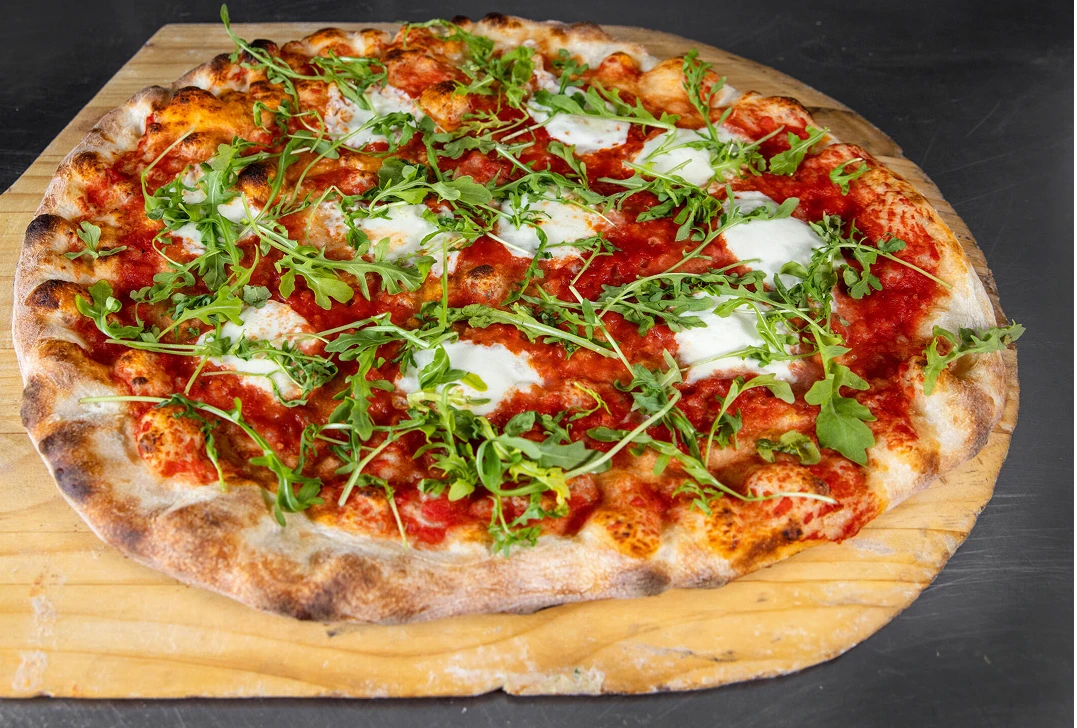
Cheese pizza looks simple on paper. Dough, sauce, cheese, heat. Yet anyone who has spent time around serious pizza makers knows that plain cheese is rarely plain. A good one carries sweetness from the tomato, salt from the cheese, char from the oven floor, and just enough bitterness in the crust to keep the whole thing from tasting soft or one-note. That balance is exactly why pairing matters.
In Boulder, Colorado, it matters even more. This is a town where people pay attention to flavor, where a casual weeknight slice can sit next to a thoughtful local pilsner, a sharp green salad, or a scoop of gelato that somehow makes the meal feel more complete. Boulder is also a place of contrasts. You can eat pizza after a canyon hike, after a long day on Pearl Street, or after a late evening in a brewery taproom. The right pairing shifts with the season, the altitude, and the style of cheese pizza in front of you.
If you are looking for the best ways to enjoy Cheese Pizza Boulder, Colorado style, the answer is not a single perfect match. It is a set of smart pairings that respect texture, temperature, and setting.
Why cheese pizza is the hardest pizza to pair badly, and the easiest to pair brilliantly
A loaded pizza tends to announce its own direction. Pepperoni brings spice and fat. Mushrooms bring earthiness. Sausage pushes things toward fennel, pepper, and richness. Cheese pizza leaves more room. That freedom is a gift, but it also means your pairing has nowhere to hide.
With a standard New York style cheese slice, the key flavors are usually acidity, dairy richness, and a toasted crust. Pairings work best when they sharpen one of those elements without drowning out the others. A crisp drink can lift the cheese. A peppery salad can wake up the tomato. A restrained dessert can smooth out the salt and char after the last bite.
The mistake I see most often is over-pairing. People treat cheese pizza as a blank canvas and reach for the biggest IPA, the heaviest red wine, or the richest appetizer on the menu. That can work with meat-heavy pies. With cheese pizza, restraint usually wins.
Boulder changes the way pairings feel
Altitude does subtle things to appetite and hydration. After a dry day, especially in winter or after time outside, a very salty pizza and a high-alcohol drink can feel heavier than expected. That is one reason lighter lagers, sparkling water, and fresh salads often perform better in Boulder than they might in a lower, more humid city where your body is under less stress.
Cheese Pizza Boulder, ColoradoThe local culture matters too. Boulder diners often want food that tastes clean and intentional, even when it is indulgent. A cheese pizza dinner here often feels best with something bright on the side. Not necessarily virtuous, just balanced. You can still go rich, but the meal usually lands better if one part of it brings freshness or crunch.
Then there is the climate. Summer patios call for cold, snappy drinks and simple sides. Snowy evenings invite a warmer, more comforting combination. A pairing that feels perfect in July after a bike ride can feel flat in January when you want depth and warmth.
Start with the style of cheese pizza in front of you
Not every cheese pizza asks the same question.
A thin, foldable slice with a modest layer of mozzarella wants crispness. You want contrast, because the pizza itself is already light on its feet. A Roman style square with a crackly bottom and airy interior can handle stronger companions because the crust has more structure. A wood-fired Neapolitan pie, especially one with fresh mozzarella, leans wetter and softer. That style often loves acidic or bitter pairings that cut through the creaminess and reset the palate.
This is worth paying attention to because Boulder has enough range in pizzerias that the same drink or side can feel brilliant with one pie and clumsy with another. Fresh mozzarella and basil ask for one approach. Low-moisture mozzarella on a browned crust asks for another.
Beer pairings that actually improve cheese pizza
Boulder is a natural beer town, so this is the first place many people start. Sensibly so. Beer handles cheese pizza beautifully when the carbonation is doing real work.
The most reliable match is a crisp lager or pilsner. It cleans the palate, supports the crust, and lets the tomato stay bright. With a classic cheese pie, especially one with a bit of oregano or grated hard cheese on top, that snap of carbonation acts almost like an extra squeeze of structure. You take a bite, then a sip, and suddenly the sweetness in the sauce tastes clearer.
A pale ale can work, but only if bitterness stays in check. Too much hop bite can fight the tomato acid and leave a metallic edge. In practice, balanced pale ales with citrus notes tend to fare better than aggressively bitter West Coast styles. If the cheese pizza has a little char from a hotter oven, the mild grapefruit or floral notes can complement that smoke nicely.
Wheat beers are underrated here. A clean Belgian-style wit or an American wheat, not too sweet, can be excellent with a softer, fresher cheese pizza, especially in warmer weather. The gentle spice and lighter body keep the meal from feeling dense. I have seen this pairing win over people who usually order IPA without thinking.
Porters and stouts are much trickier. They can work with a deeply baked, almost caramelized crust on a cold night, but most of the time they flatten the sauce and make the cheese seem heavier. If you are ordering plain cheese, dark beer is more of a mood choice than a flavor choice.
Wine deserves more credit with plain cheese pizza
Pizza and beer get all the attention in Boulder, but wine is often the more precise tool. Cheese pizza has enough acid and enough fat that a smart wine can pull the whole thing into focus.
For red, light to medium-bodied wines usually perform best. A high-acid Italian red is the classic move for a reason. It echoes the tomato instead of competing with it. You do not need anything expensive. In fact, very expensive, heavily oaked reds can feel absurdly overdressed next to melted mozzarella. The pizza is saying tomato, milk, crust. It is not asking for a tasting-room monologue.
White wine can be even better, particularly with wood-fired or fresh mozzarella pies. A dry, mineral white with good acidity sharpens the dairy and keeps the finish clean. If the pie includes basil, olive oil, or a little sea salt, the effect can be remarkable. Suddenly the simplicity tastes deliberate instead of basic.
Sparkling wine is the sleeper choice. If you have never had a properly cold sparkling wine with cheese pizza, you might be surprised by how complete it feels. The bubbles scrub the palate, the acid brightens the sauce, and the whole meal takes on a slightly festive edge without becoming fussy.
Nonalcoholic pairings that hold their own
A lot of people still treat nonalcoholic pairings like an afterthought. With cheese pizza, they should not. Some of the best matches are completely alcohol-free.
Sparkling water is the obvious one, but it works for a reason. Carbonation gives relief between bites, particularly with richer mozzarella-heavy pies. Add a wedge of lemon and you get a little aromatic lift without introducing sweetness.
Unsweetened iced tea works better than many sodas. Black tea has enough tannin to cut through cheese, and green tea can be surprisingly elegant with lighter pies. Sweet soda, on the other hand, often overwhelms the tomato and makes the whole meal taste flatter after a few sips. Cola can still scratch a nostalgic itch, but from a pairing standpoint it usually wins on comfort, not on clarity.
A tart lemonade can be wonderful in summer, though it depends on the pie. With a very acidic sauce, it can tip the meal too far into sharpness. With a milder cheese pizza and a side salad, it can feel bright and restorative.
The side dish that almost always works in Boulder
If I had to recommend one side for cheese pizza in Boulder more often than any other, it would be a sharply dressed green salad. Not because it is virtuous. Because it fixes what cheese pizza lacks.
Cheese pizza is soft, savory, and warm. A good salad brings crunch, bitterness, and acid. Arugula is especially useful. So are romaine, radicchio, fennel, shaved celery, and herbs. What matters most is the dressing. You want enough acid to wake up the cheese, enough salt to tie into the crust, and enough restraint not to become its own main event.
The best version is often the simplest: greens, maybe a few shaved vegetables, a light vinaigrette, and perhaps some grated parmesan if the kitchen is smart about it. Creamy dressings can push the meal too far into richness. Sweet toppings, especially candied nuts or sugary dried fruit, tend to pull focus away from the pizza.
Boulder diners often appreciate produce-driven sides, and for good reason. The freshness creates contrast without making the pizza feel guilty. It is a practical pairing, not a moral one.
When roasted vegetables beat salad
There are nights when cold greens are not what you want. On those evenings, roasted vegetables can be the better partner, especially in colder months.
Roasted broccoli with lemon, blistered green beans, or charred Brussels sprouts can work beautifully with cheese pizza because they bring bitterness and browning. Those are important flavors. Pizza already has sweetness from the tomato and richness from the dairy. Roasted vegetables answer with savory depth and just enough edge.
The caution here is portion size. A huge tray of oily vegetables can crowd the meal and tire the palate. The idea is to add contrast, not to create a second center of gravity on the table.
Pairing by season in Boulder
Boulder seasons change the appetite more than people admit. The best pairings often follow the weather.
In summer, especially after time outside, plain cheese pizza feels best with crisp drinks and bright sides. Think pilsner, sparkling water, simple salad, maybe a scoop of lemon sorbet afterward if the pizzeria offers dessert nearby. The goal is refreshment.
In fall, this is where amber lagers and roasted vegetables start to make sense. The crust tastes deeper, the cheese reads richer, and the cooling air invites a little more malt and a little more char on the plate.
Winter calls for comfort, but smart comfort. A medium-bodied red, a hot pizza with extra browned edges, and a side that still offers acid, such as chicories or pickled vegetables, can feel exactly right after a cold evening. This is the easiest season to overdo richness, so keep at least one element lively.
Spring is often the best time for fresh mozzarella pies, white wines, and salads with herbs. That first warm stretch in Boulder makes simple food taste sharper and more alive. Cheese pizza benefits from that mood.
Pairings for different settings around town
The same pizza can feel different depending on where and how you eat it. A quick lunch downtown, a takeout pie carried home, and a post-hike meal are not the same experience.
Here is where I would steer people in each setting:
- For a casual lunch, go with a classic cheese slice, sparkling water or a crisp lager, and a simple green salad.
- For patio dining in warm weather, choose a lighter pie, fresh mozzarella if available, and pair it with a dry white or wheat beer.
- For takeout on a cold night, lean into a well-baked cheese pizza, a medium-bodied red or amber lager, and a roasted vegetable side.
- After outdoor activity, keep things hydrating and bright with a cheese pizza, sparkling water, and something acidic on the side.
- For a relaxed date night, cheese pizza and sparkling wine is far more polished than most people expect.
That last pairing gets overlooked because it sounds too simple. In practice, it often outperforms heavier meals. Pizza is familiar. Sparkling wine adds lift. The combination feels easy, confident, and not overworked.
Dessert after cheese pizza, if you want the meal to finish cleanly
Dessert should not fight the meal you just had. After cheese pizza, the best ending is usually cool, restrained, and only moderately sweet.
Gelato or sorbet makes sense in Boulder, particularly after a warm evening meal. Lemon, pistachio, vanilla, or a clean chocolate can all work, depending on what came before. Lemon is the sharpest reset. Pistachio is richer and pairs nicely if your pizza had a more toasted crust. Vanilla is the diplomatic choice, gentle and familiar.
Heavy chocolate cake or very rich pastry can feel cumbersome after a cheese-forward meal. The pizza already delivered warmth and dairy. A dessert that adds more weight often leaves the finish muddy.
If dessert is part of the plan from the start, it can help to keep your beverage pairing lighter during the meal. This is another argument for lager, sparkling water, or dry wine.
A few pairings that sound good but often disappoint
Not every popular match deserves its reputation. Some combinations look exciting on a menu and then collapse in the mouth.
- Aggressively bitter IPA with a tangy cheese pizza
- Heavy, tannic red wine with a delicate fresh mozzarella pie
- Sweet soda with already sweet tomato sauce
- Creamy dip served alongside an already rich cheese-forward pizza
- Oversized garlic knots before the pizza arrives
The problem in every case is the same. The pairing does not create contrast or harmony, it creates accumulation. Too much bitterness, too much sweetness, too much starch, or too much fat. Cheese pizza is generous, but it is not infinitely forgiving.
The best pairings are usually about one missing element
This is the principle I come back to most often. When a cheese pizza meal feels great, it is usually because the table includes what the pie itself does not. If the pizza is rich, add acid. If it is soft, add crunch. If it is deeply charred, add something cool and clean. If it is delicate, avoid drowning it with big alcohol or sugary sides.
That sounds obvious, but it is surprisingly easy to ignore once menus, tap lists, and group orders enter the picture. One person wants wings, someone else wants a double IPA, another wants a creamy Caesar, and suddenly the plain cheese pizza at the center of the meal is doing all the diplomatic work. Sometimes that is fine. More often, the best experience comes from choosing one or two supporting players that know their role.
Boulder, Colorado is a good place to get this right because diners here tend to appreciate balance. The city has serious beer culture, strong produce, plenty of patio habits, and a population that often arrives at dinner with a real appetite from the day. Cheese pizza fits naturally into that rhythm. It is comforting enough for winter, casual enough for lunch, and adaptable enough for a thoughtful night out.
The next time you order a plain pie, do not treat it like the default option. Treat it like the revealing one. Pair it with a crisp lager, a high-acid wine, sparkling water, a peppery salad, or a small scoop of something cold afterward. Let the crust speak. Let the sauce stay bright. Let the cheese taste like cheese instead of just melted weight.
That is where the best Cheese Pizza Boulder, Colorado experience usually lives, not in excess, but in proportion.
Brooklyn Pizza
Address: 1647 Arapahoe Ave, Boulder, CO 80302
Phone number: +17203282324
FAQ About Cheese Pizza Boulder, Colorado
What is usually on a cheese pizza?
A standard cheese pizza consists of a yeast dough crust, a seasoned tomato-based sauce, and melted mozzarella cheese.
What is a cheese pizza called?
A basic cheese pizza is simply called a cheese pizza, a plain pizza, or a plain pie.
What is the best recipe for cheese pizza?
The best cheese pizza recipe uses high-heat baking, a simple raw tomato sauce, and a mix of low-moisture and fresh mozzarella cheese on a homemade yeast dough.