Why Kids and Adults Both Love Cheese Pizza
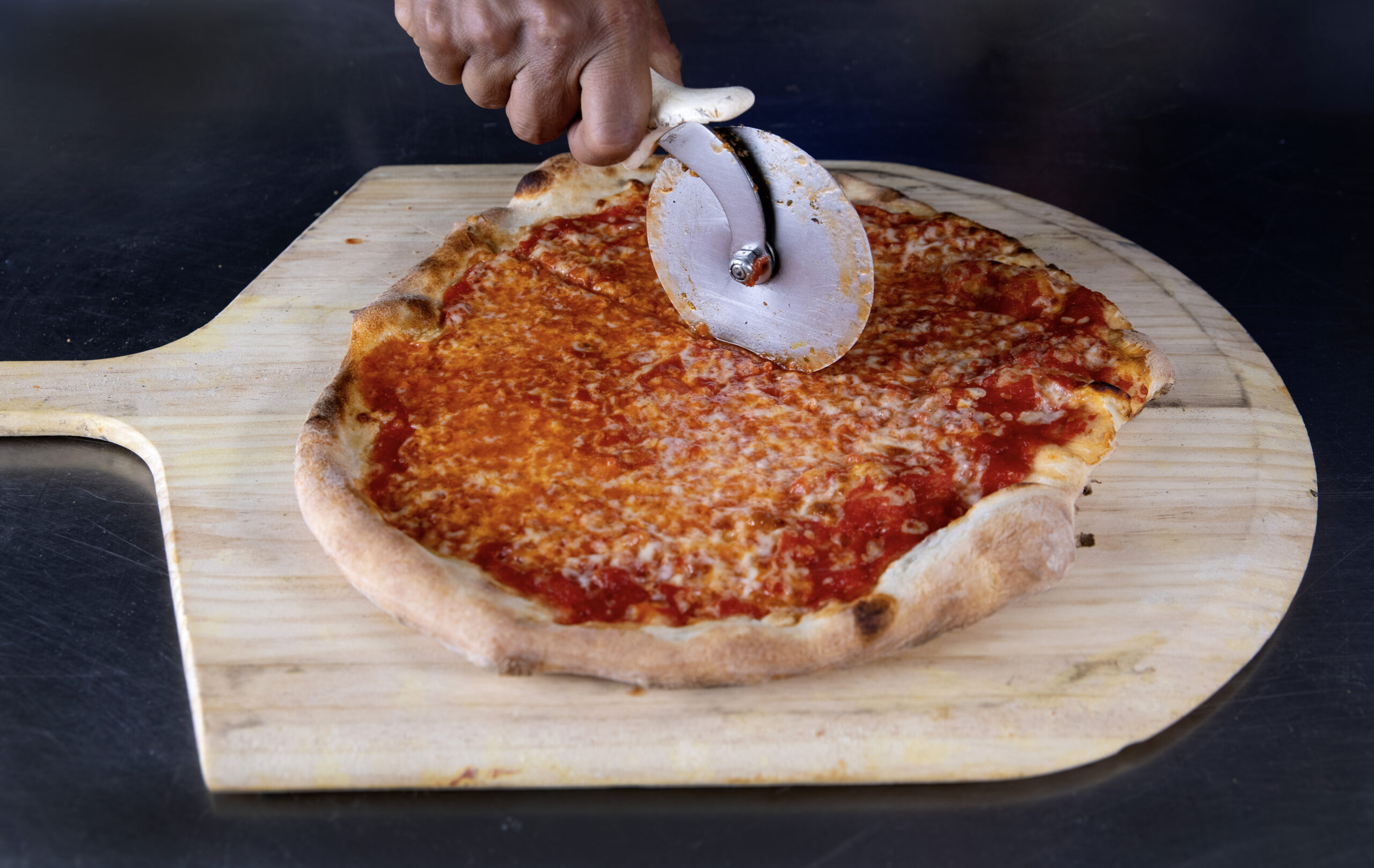

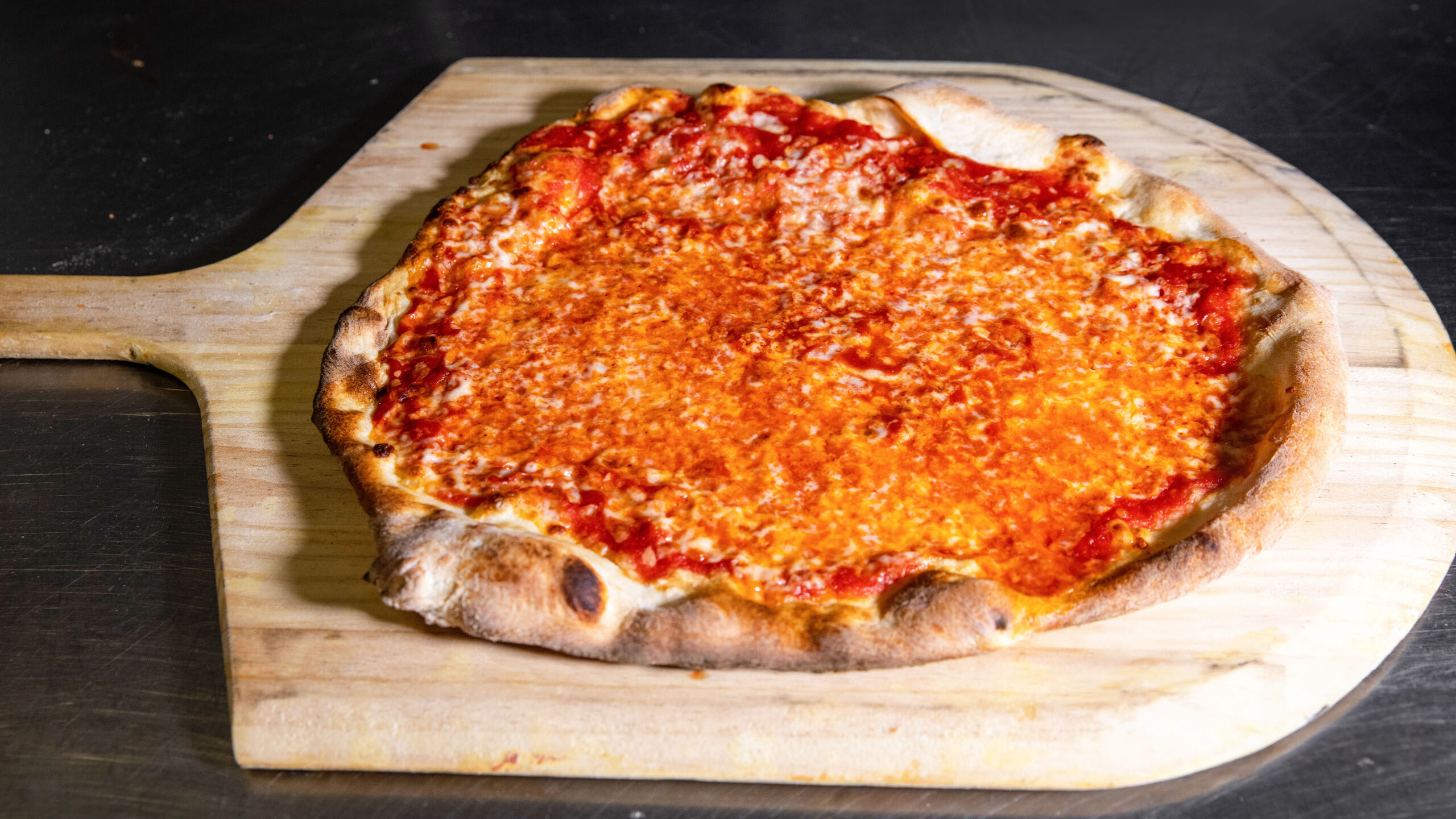
There are more elaborate pizzas, more regional pizzas, and certainly more expensive pizzas. None of them, though, hold the same broad appeal as cheese pizza. Walk into a child’s birthday party, a school fundraiser, an office lunch, or a late family dinner after a long week, and there is a good chance cheese pizza will disappear first. It is the rare food that can feel comforting to a six-year-old, satisfying to a busy parent, and still respectable to a serious cook who understands dough fermentation, oven spring, and the chemistry of melted mozzarella.
That kind of reach is not accidental. Cheese pizza works because it strips the experience down to the essentials and gets those essentials right. Crust, sauce, cheese. A little oil, some browning, a touch of salt. When each part does its job, the result feels complete without trying too hard. People often describe it as simple, but simplicity in food is rarely basic. It is usually the clearest expression of balance.
Anyone who has made or served a lot of pizza knows this firsthand. Toppings can distract. Cheese pizza has nowhere to hide. If the dough lacks structure, if the sauce is too sweet, if the cheese breaks into grease, everyone notices. When it is done well, however, it lands with almost universal approval. That is a big reason kids and adults both keep coming back to it.
The flavor profile is easy to love, but not boring
Cheese pizza succeeds first on taste, and its flavor logic is stronger than people sometimes give it credit for. Human beings are wired to respond positively to fat, salt, gentle acidity, and toasted carbohydrates. Cheese pizza puts all of those elements into one bite.
The crust brings warmth, chew, and the nutty flavor of baked flour. The tomato sauce contributes brightness and enough acidity to cut through richness. The cheese adds milk fat, salt, and that unmistakable stretch and melt that people associate with comfort. Even before you get into personal taste or nostalgia, those are deeply appealing sensory signals.
For kids, this balance tends to read as friendly and predictable. Many children are still developing their tolerance for bitterness, heat, sharp acidity, or complex textures. Cheese pizza avoids most of those challenges. It is savory without being aggressive. It is warm and soft, but not mushy when made well. The flavors are distinct enough to be enjoyable, but blended enough to feel safe.
Adults respond to the same core balance, but often for slightly different reasons. A grown palate may appreciate the browned spots on the cheese, the contrast between a crisp bottom and a tender interior, or the way a restrained sauce lets the dairy flavor come through. Adults can enjoy cheese pizza on a more technical level, but the pleasure is still immediate. It does not require explanation. It just tastes right.
That matters more than people think. Some foods are admired more than loved. Cheese pizza manages both. A child can love it without needing language for why. An adult can analyze it and still finish the last slice.
Familiarity creates trust
Food acceptance often starts with trust, especially in children. A plain slice of cheese pizza looks recognizable. There are no surprise textures tucked underneath a topping. No hidden onions, mushrooms, olives, or peppers. A child can see what is on it at a glance and understand the experience before taking a bite.
That visual simplicity lowers resistance. Parents know this well. If a group of children with very different preferences need to eat without conflict, cheese pizza is one of the safest bets available. It does not guarantee universal approval, because no food does, but it gets closer than most.
Adults are not as different from children here as they sometimes like to believe. Grown people also appreciate knowing what they are getting, particularly in group settings. At a casual event, not everyone wants to negotiate toppings or explain dietary dislikes. Cheese pizza solves the social problem as neatly as it solves the culinary one. It is inclusive without being dull.
There is also a practical side to familiarity. Cheese pizza travels reasonably well, reheats well, and stays appetizing even when it is no longer oven-hot. A lot of beloved foods depend on perfect timing. Cheese pizza has a wider margin for error. That makes it ideal for school events, sports parties, staff lunches, and family movie nights. When food must satisfy many people at once under less than ideal conditions, reliability becomes part of its appeal.
Simplicity leaves room for memory
One reason cheese pizza inspires affection across age groups is that it is tied to memory. Not memory in a vague or sentimental sense, but in repeated, ordinary moments that gather emotional weight over time.
For many kids, cheese pizza is attached to good things. Birthday tables with paper plates. Friday nights after practice. Classroom celebrations. Sleepovers. A quick dinner when the house feels busy but relaxed. The pizza itself may not be the star of the evening, but it becomes part of the atmosphere of ease and reward.
Adults carry those associations forward. The smell of baking dough and melting cheese can pull someone back to a high school pizza shop, a college apartment, or a parent bringing home two large pies after a long day. Even people with sophisticated tastes often reserve special affection for foods that feel emotionally settled, and Cheese Pizza sits high on that list.
I have seen this play out in homes and in restaurants. A table may order one specialty pizza with hot honey, soppressata, or roasted vegetables, then quietly add a cheese pizza because everyone knows it will be the one no one argues about. The specialty pie gets attention. The cheese pizza gets eaten. There is wisdom in that.
Texture does a lot of the work
When people talk about why they love pizza, they often focus on flavor, but texture is just as important. Cheese pizza delivers a combination that is hard to improve upon. A good slice offers resistance at the bottom, softness in the middle, slight elasticity in the cheese, and enough structure to fold without collapsing.
Children often respond strongly to this kind of texture contrast. Crunchy foods can be too sharp, and very soft foods can feel uninteresting. Cheese pizza lands in the middle. It is tender enough to be easy, yet lively enough to stay engaging. The cheese stretch adds a playful quality that children enjoy almost instinctively.
Adults appreciate the same textural range with a different kind of attention. They notice when the crust has proper fermentation and the bubbles char lightly at the edge. They notice when the cheese coverage is even instead of clumped, when the sauce layer is thin enough to support the crust rather than steam it, when the slice remains balanced from first bite to last.
This is one reason a well-made cheese pizza can impress experienced cooks. Without toppings competing for attention, the craft becomes obvious. The crust has to carry itself. The sauce must be seasoned with restraint. The cheese needs to melt evenly and brown just enough. There is no camouflage. When it works, the result feels honest.
Cheese pizza meets people where they are
Not every meal needs to be an adventure. Sometimes people want stimulation, but often they want ease. Cheese pizza fits a wide range of moods and appetites. A child who is hungry after school can eat it without negotiation. An adult who has spent the day making decisions can enjoy the relief of a food that asks nothing from them.
This versatility matters. Plenty of foods are appealing under one set of circumstances and less welcome under another. Cheese pizza works at lunch, dinner, parties, road stop meals, and leftovers for breakfast. It can be the centerpiece of a meal or a side participant in a larger gathering. It suits celebration and routine equally well.
There is also a useful middle ground in its richness. Cheese pizza is indulgent enough to feel like a treat, but not so heavy or intensely flavored that it becomes tiring after one slice. Compare that with pizzas loaded with multiple meats, extra cheese, creamy sauces, and rich finishing drizzles. Those can be excellent, but they are often best in smaller amounts. Cheese pizza invites repeat bites without exhausting the palate.
That is part of why it serves mixed-age groups so effectively. Kids can eat it happily. Adults can eat enough to feel satisfied without feeling overpowered. In catering or family settings, that balance is invaluable.
The best version respects restraint
A common mistake is assuming that if cheese pizza is popular, then more cheese must make it better. In practice, restraint is one of the defining marks of a good pie. Too much cheese can blanket the sauce, flood the surface with oil, and turn each bite into a heavy pull rather than a clean melt. Too little cheese, on the other hand, leaves the slice dry and disconnected.
The same is true for sauce. A heavy ladle may seem generous, but excess sauce can soak the crust and throw off the ratio. Most excellent cheese pizzas rely on moderation, with each element visible and active. You should taste dough, tomato, and dairy in sequence and together.
That proportion is appealing to kids because it keeps the bite consistent. It is appealing to adults because it reflects judgment. Restraint in food often reads as confidence. The cook is not trying to impress through abundance. They trust the ingredients and the method.
There is a lesson here that extends beyond pizza. Many universally loved foods succeed by being well edited. Cheese pizza is one of the clearest examples. It gives people enough richness, enough contrast, enough aroma, Cheese Pizza Brooklyn Pizza and enough satisfaction, but rarely too much of any one thing.
It adapts to different standards of quality
Another reason cheese pizza crosses generations so easily is that it performs at multiple levels. A child may be perfectly happy with a quick-service slice, and an adult may genuinely enjoy that same slice in the right moment. At the same time, both can appreciate a superior version from a great pizzeria.
That range is unusual. Some foods lose their identity when they move up or down the quality ladder. Cheese pizza stays recognizable. The cheap version and the excellent version still share the same basic promise. What changes is execution.
At the lower end, the appeal comes from warmth, salt, and melted cheese. At the higher end, subtler pleasures emerge. The dough may ferment longer and develop more flavor. The sauce may taste brighter and cleaner. The cheese may be blended for melt and browning rather than dumped on indiscriminately. The crust may show char, open crumb, and better structure. The bones are the same, but the expression gets sharper.
Adults often enjoy that spectrum because they can appreciate the differences. Kids often enjoy it because the core identity remains intact. The food still says, unmistakably, pizza. That continuity helps explain why cheese pizza can grow with a person rather than be outgrown.
It avoids the main reasons pizza becomes divisive
Toppings are wonderful, but they are also where disagreement begins. One person loves pepperoni, another avoids pork. One likes mushrooms, another hates their texture. Pineapple still starts arguments that never seem worth having. Strong toppings also introduce issues of heat, bitterness, sweetness, moisture, and aroma that not everyone wants on a given day.
Cheese pizza bypasses most of that conflict. It preserves the pizza experience while removing many of the variables that create friction. In households with several children, that can be the difference between a calm dinner and a prolonged negotiation. In adult groups, it saves time and avoids the familiar back-and-forth of ordering for everyone.
There are, of course, edge cases. Some adults find plain cheese pizza too mild and crave stronger flavors. Some children prefer a topping like pepperoni once they get comfortable. That does not weaken the case for cheese pizza. It actually strengthens it. Because the baseline is so stable, it becomes the reference point from which other preferences branch out.
A lot of people discover their pizza taste in that order. They start with cheese pizza because it is approachable. Later they add toppings selectively. Even then, many circle back. After trying every specialty pie on the menu, they still judge a pizza shop by its cheese slice. That is not nostalgia talking. It is standards.
The economics help, but they are not the whole story
It would be naïve to ignore cost. Cheese pizza is often one of the more affordable options on a menu, which makes it attractive for families and group events. When feeding ten children after a game, or ordering lunch for a classroom, price matters. Cheese pizza usually offers the best combination of broad acceptance and manageable cost.
Still, cost alone does not explain affection. Plenty of inexpensive foods are tolerated rather than loved. Cheese pizza is often actively preferred, even when pricier choices are available. That says something important. Its popularity is not just about convenience or budget. It stands on its own merits.
The value equation does matter, though, especially for adults making decisions for groups. If one option is affordable, widely liked, easy to serve, and reliably eaten, it becomes the sensible default. Over time, repeated sensible defaults become traditions. Traditions, once established, take on emotional meaning. That is one reason the humble cheese pizza ends up occupying so much cultural space.
What a great cheese pizza actually gets right
When people say they love cheese pizza, they are not all talking about the exact same thing. Styles vary. New York slices, tavern pies, Neapolitan rounds, pan pizzas, and school cafeteria rectangles all have their own virtues. Yet the best versions tend to share a few principles.
- The crust has structure and flavor, whether crisp, chewy, or airy.
- The sauce tastes like tomato, not sugar.
- The cheese melts evenly and supports the slice instead of smothering it.
- The ratio feels balanced from edge to center.
- The slice remains enjoyable after the first hot bite, not just during it.
Those standards are not fussy. They are practical. They explain why one cheese pizza disappears in minutes while another leaves half a box on the counter. They also help explain its broad appeal. Kids may not articulate these criteria, but they react to them. Adults may describe them more precisely, but the response is the same. Good pizza gets eaten.
Why adults keep returning to a food often labeled “for kids”
There is a strange tendency to dismiss simple foods once we become old enough to perform sophistication. People start speaking as if maturity means moving past plain pleasures toward more complex ones. Real eating experience usually teaches the opposite. Complexity has its place, but so does clarity.
Adults who genuinely love food often come back to cheese pizza because it provides that clarity. It is satisfying without requiring a performance of taste. No one needs to praise the ingredient sourcing or discuss regional authenticity to enjoy it. You can, if you want, but you do not have to. It nourishes the appetite first.
There is also relief in eating something unpretentious. After enough meals built around novelty, customization, and trend, a classic cheese pizza can feel refreshingly direct. It is not trying to surprise you. It is trying to deliver pleasure, consistency, and comfort, and that remains a worthy goal.
This does not mean adults stop enjoying inventive pies. Many do both. A table might start with a white pizza topped with seasonal vegetables and finish by admitting that the cheese pizza was the surest thing all along. That does not reflect limited taste. It reflects perspective.
The shared slice matters
One final reason cheese pizza bridges generations is that it supports communal eating better than almost any other food. It is easy to portion, easy to pass, and easy to eat in informal settings. It does not demand much equipment or ceremony. People can stand with it, sit with it, talk over it, and reach for another slice without interrupting the flow of the room.
That social quality matters for children, who often experience food as part of play, celebration, and group belonging. It matters for adults too, though in subtler ways. A cheese pizza at the center of a table lowers formality. It invites people to share the same thing without much debate. In homes, workplaces, and community spaces, that ease has value.
Some foods divide a crowd into camps. Cheese pizza tends to gather them around the same box.
That may be the best explanation for its staying power. Kids love cheese pizza because it tastes good, feels safe, and shows up when life is fun. Adults love it because it still tastes good, still feels comforting, and proves, bite after bite, that simple food can hold up under serious scrutiny. Between those two truths is the reason cheese pizza never really loses its place. It is familiar, yes, but familiarity is not a Cheese Pizza weakness when the thing itself is this well built.
Brooklyn Pizza
1647 Arapahoe Ave
Boulder, CO 80302
+1 720-328-2324
FAQ About Cheese Pizza
What type of cheese is used on a cheese pizza in Boulder, CO?
The cheese varies by pizzeria. Brooklyn Pizza uses whole-milk mozzarella made in-house on its standard pies and offers a plant-based cheese option for vegan pizza. Ask the shop directly about ingredients if you have a dietary restriction.
How many slices are in a large pizza in Boulder, CO?
Slice count depends on how the shop cuts the pie. Brooklyn Pizza lists a 16-inch large pizza. If you are ordering for a group, call to confirm the number of slices or ask whether a smaller cut is available.
What is New York style pizza in Boulder, CO?
New York-style pizza usually has a thin crust and wide slices that can be folded. A classic cheese slice pairs tomato sauce with mozzarella. Brooklyn Pizza serves New York-style pizza by the slice and as whole pies.